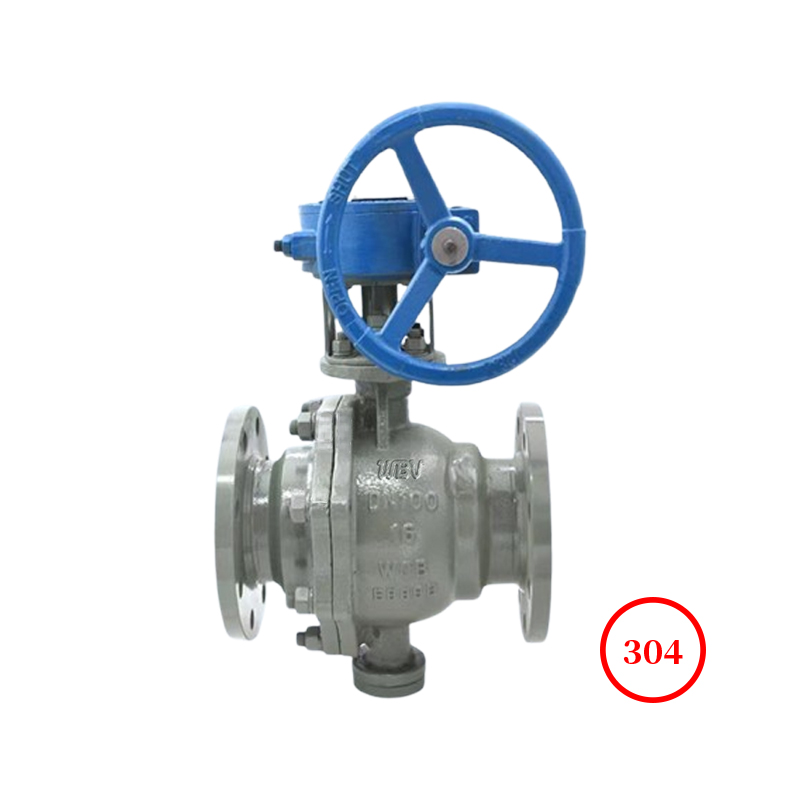
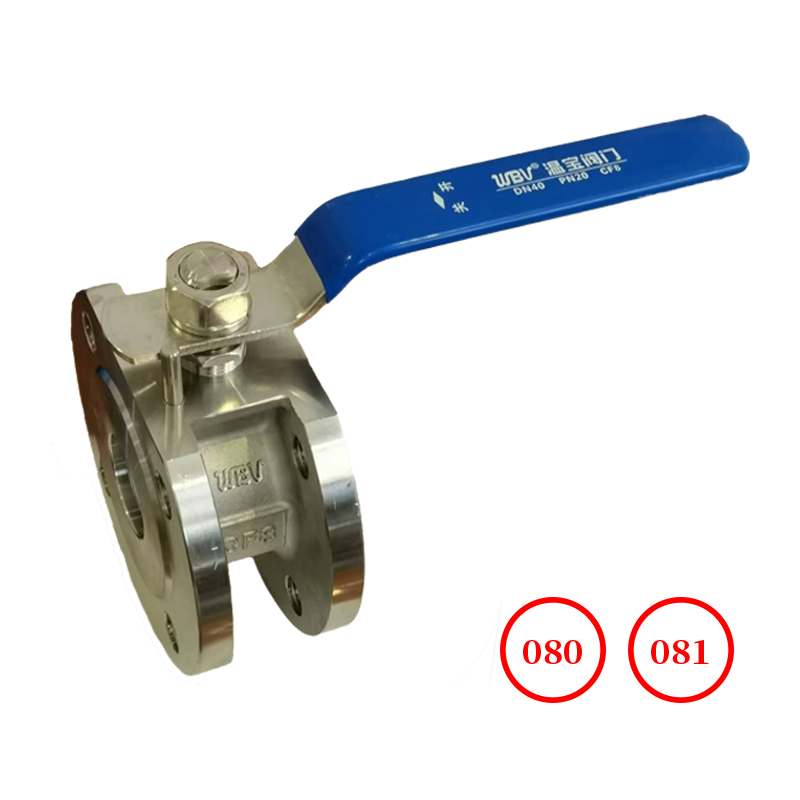
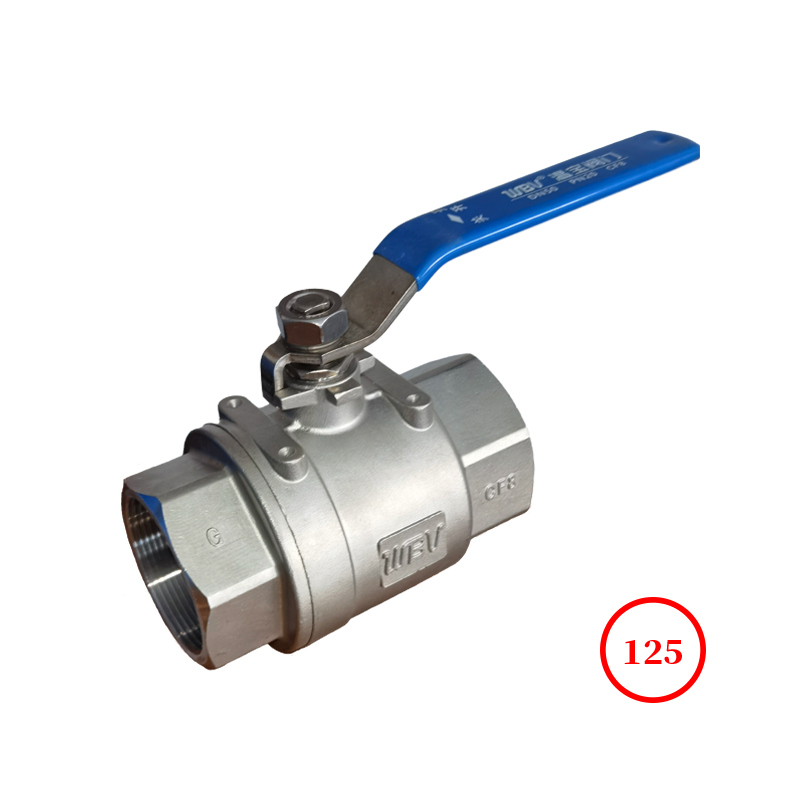
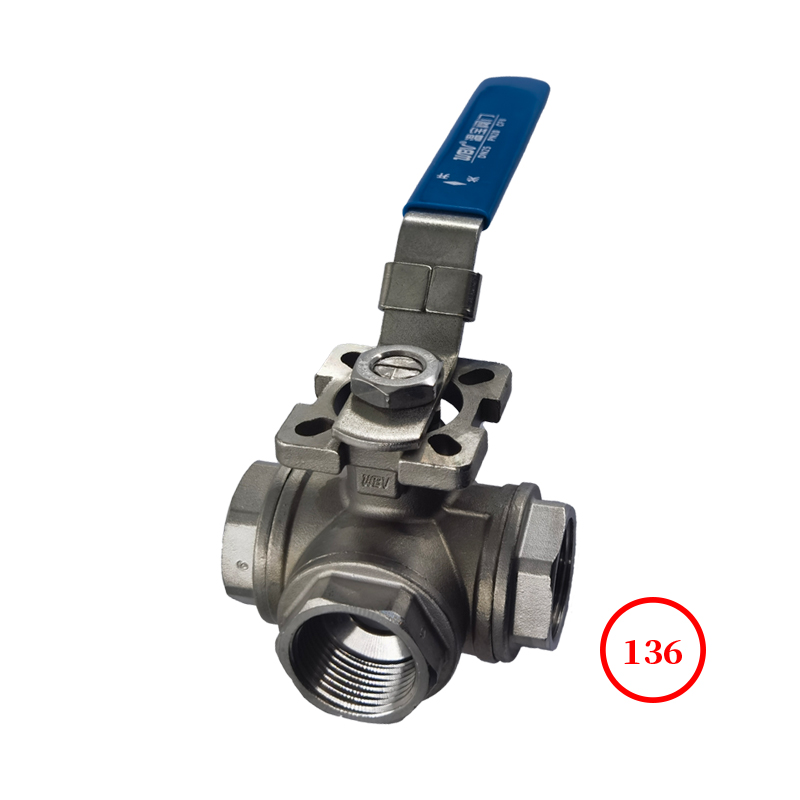
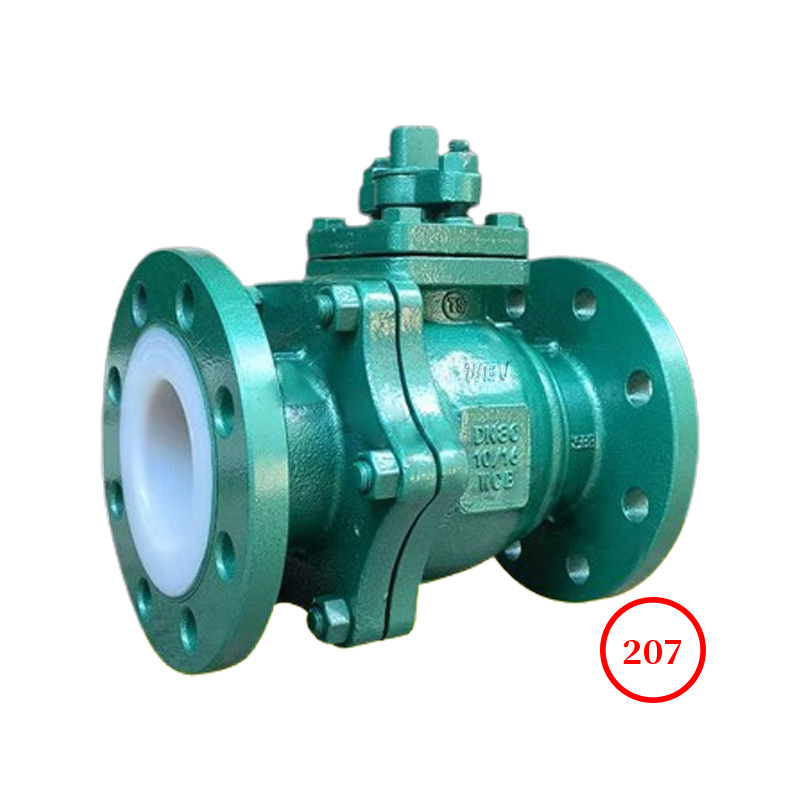
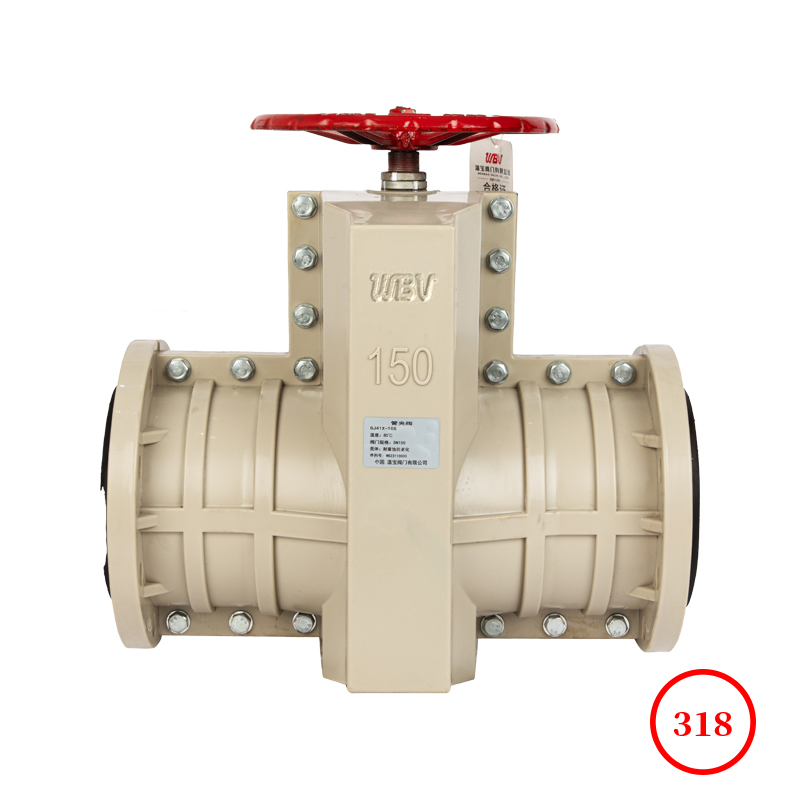
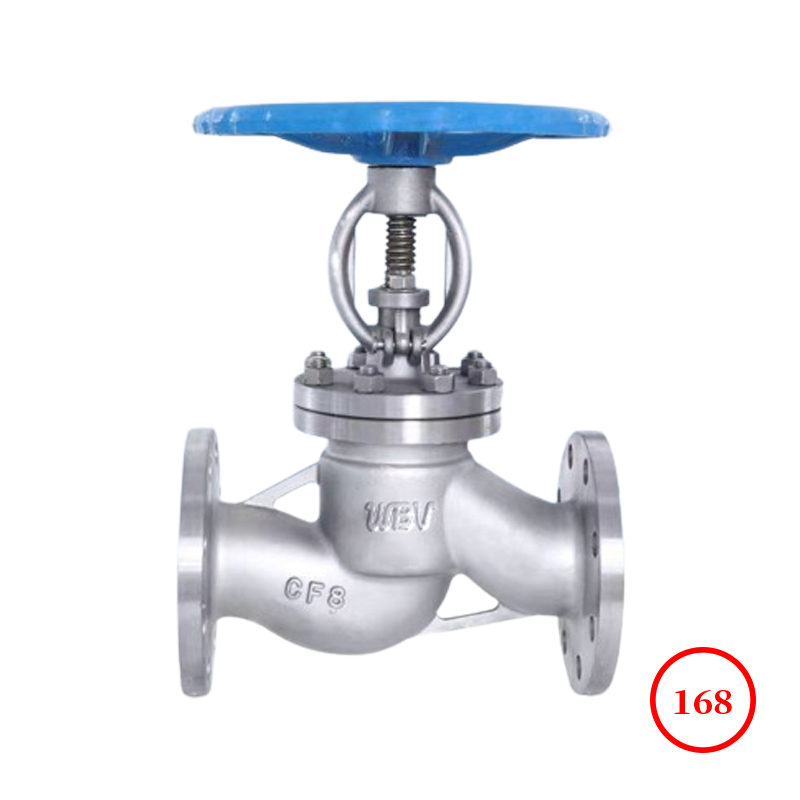
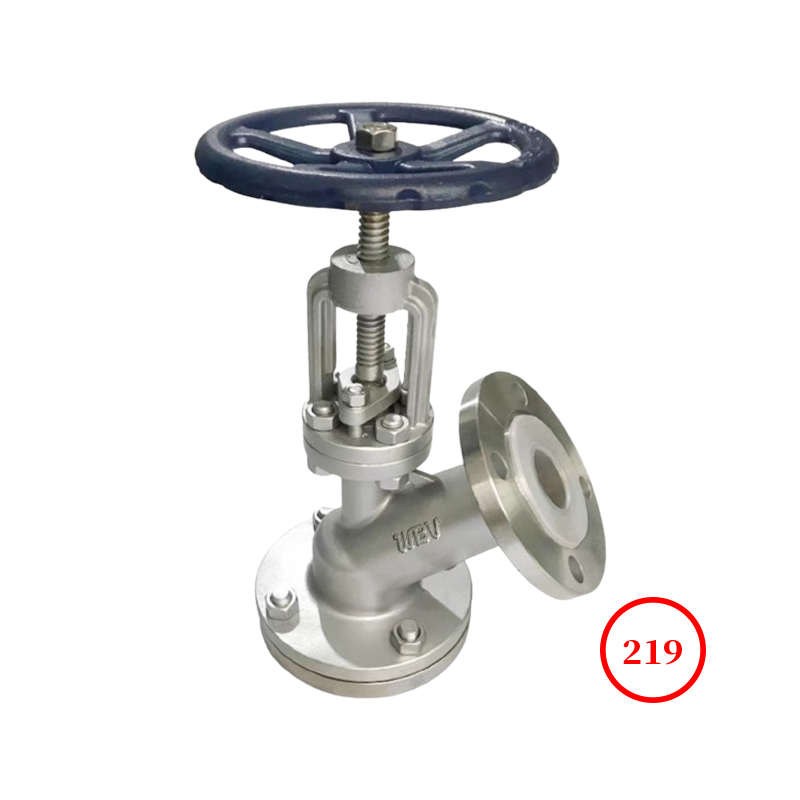
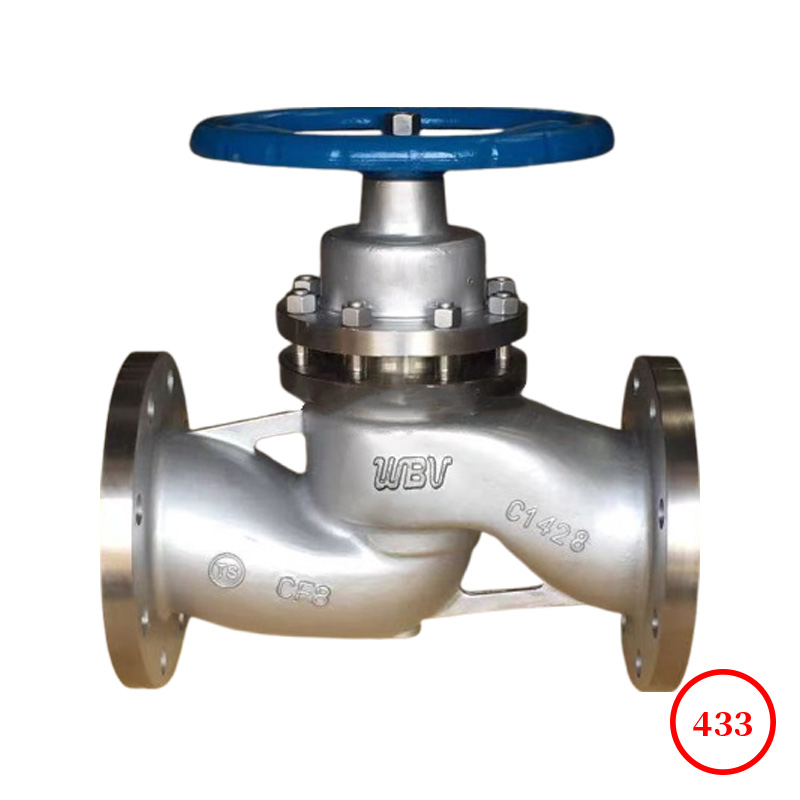
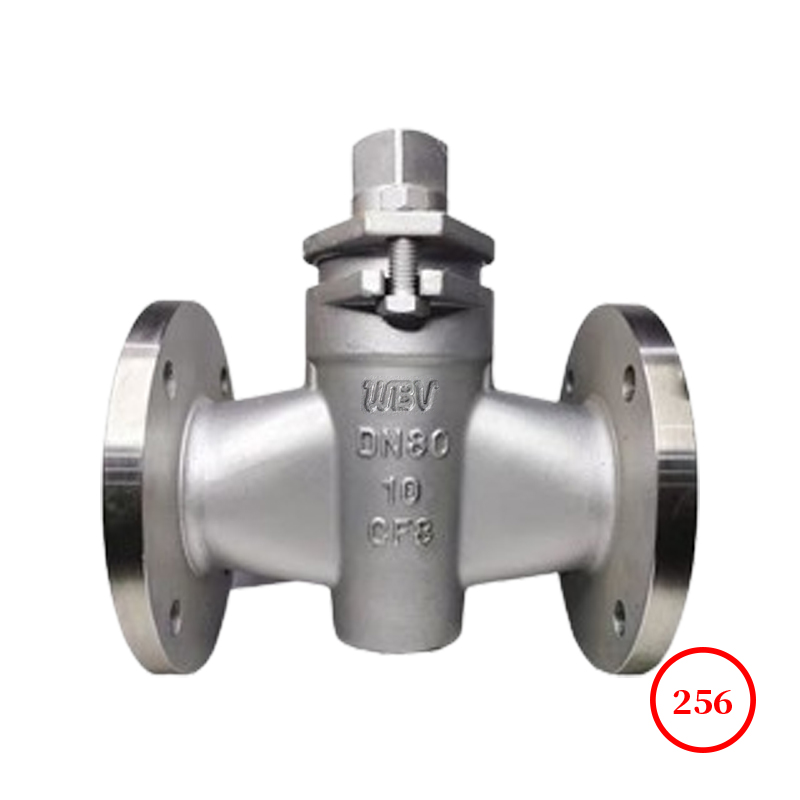
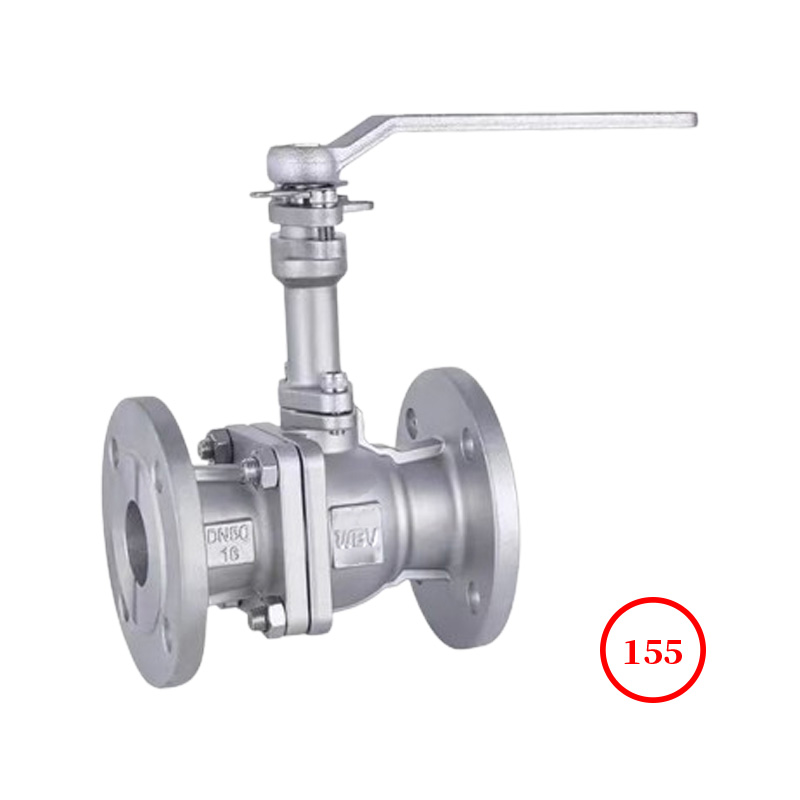
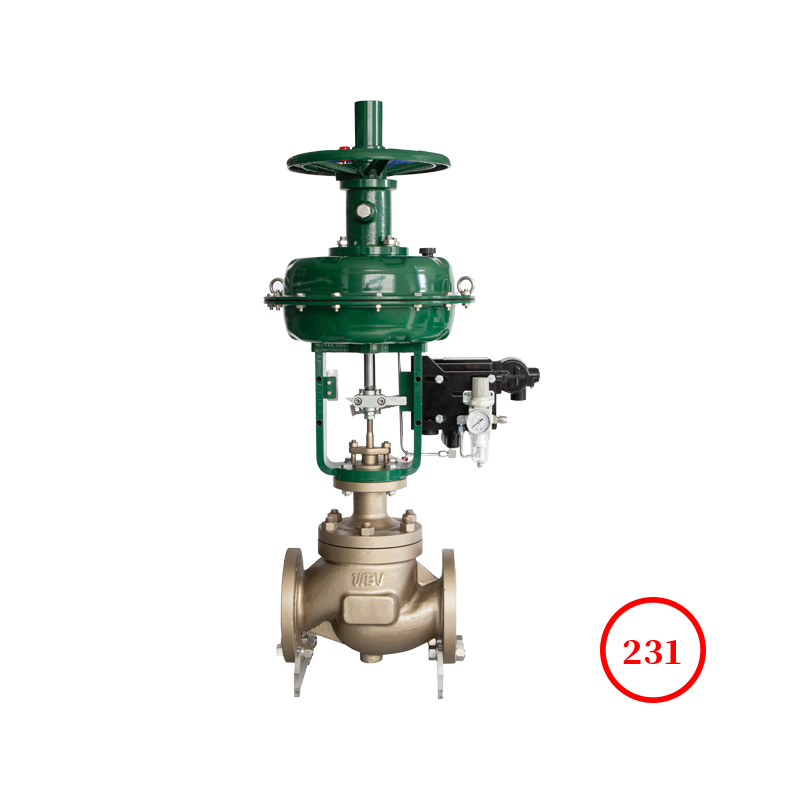
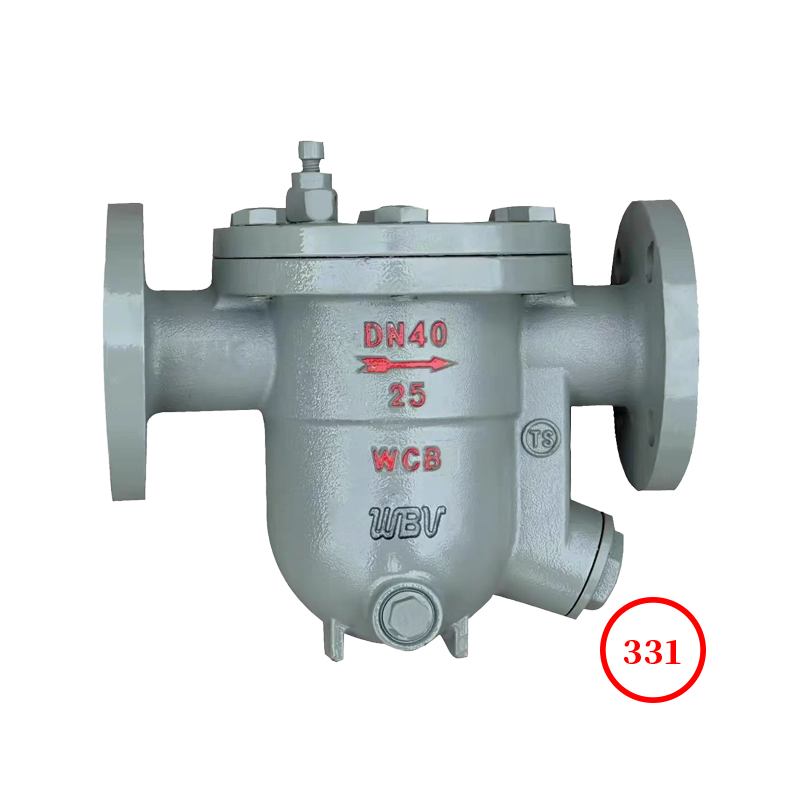
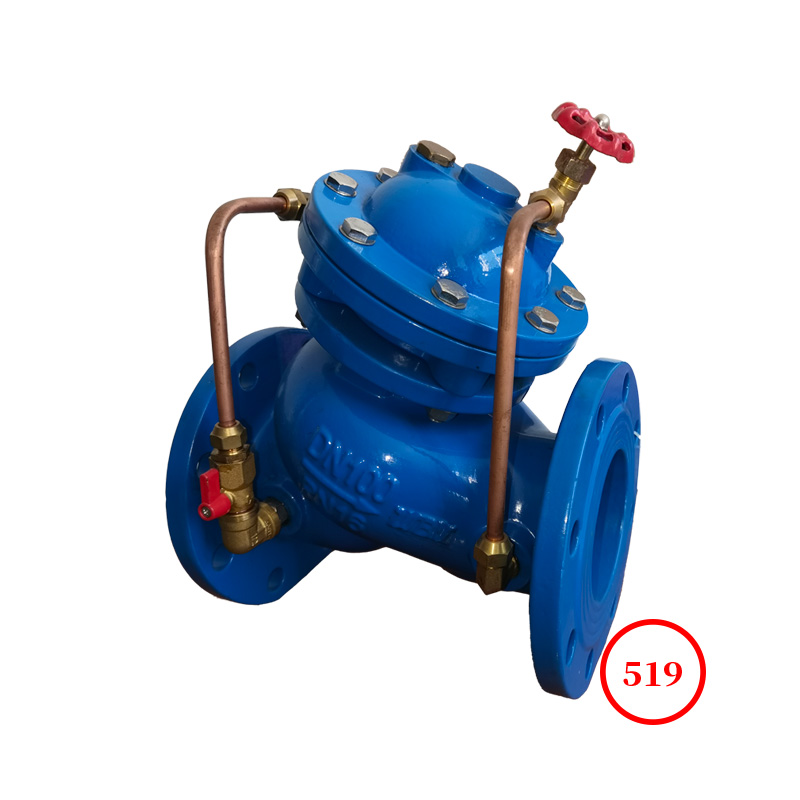
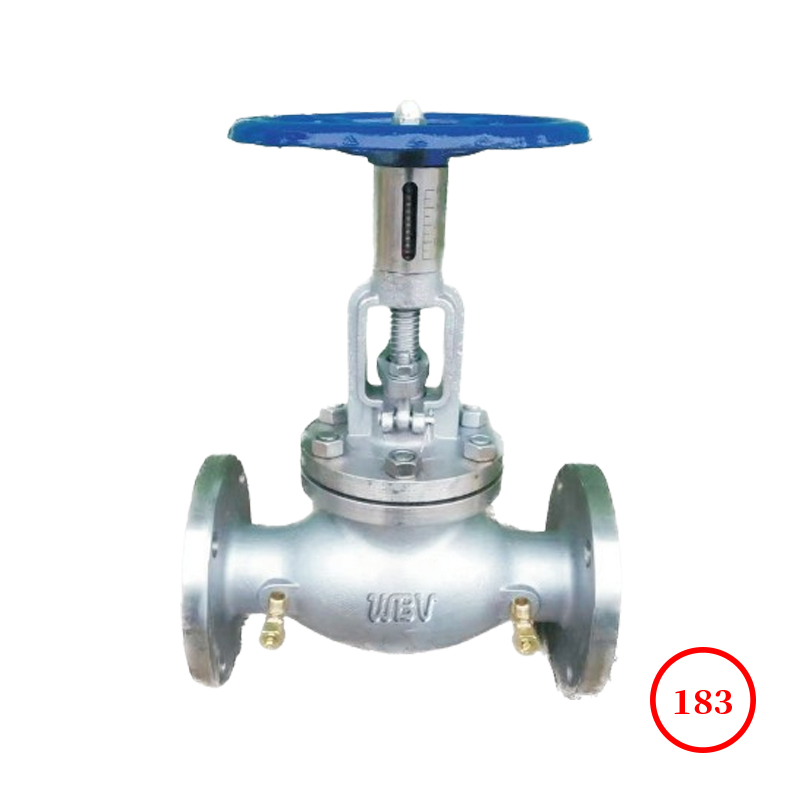
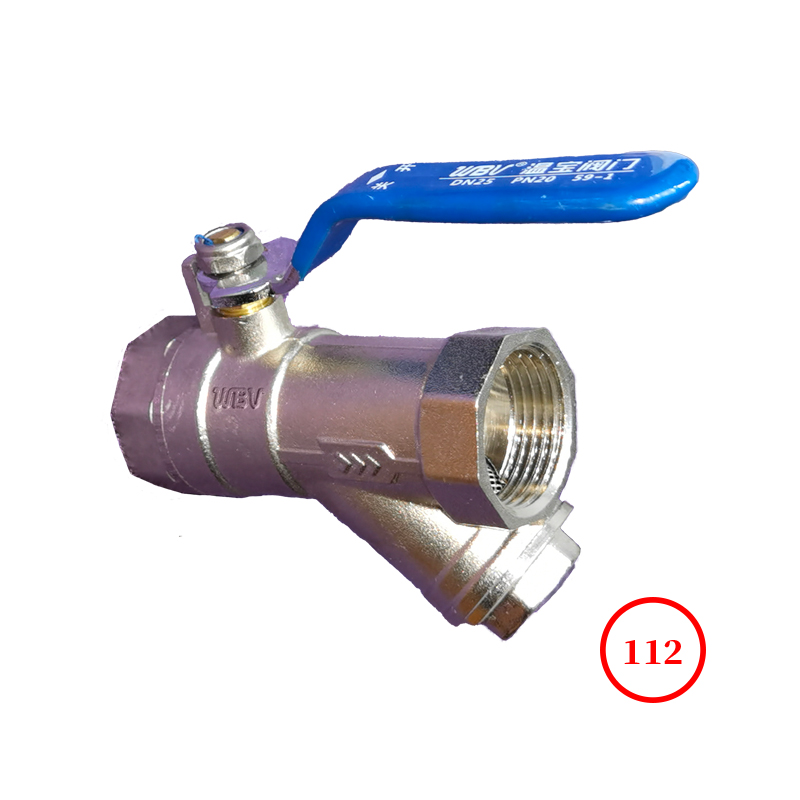
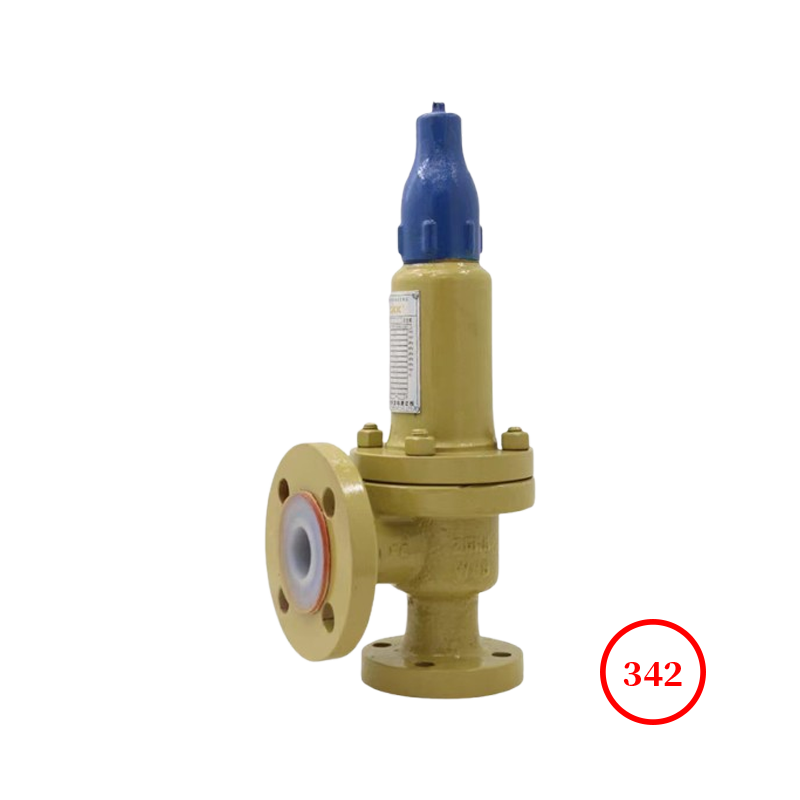
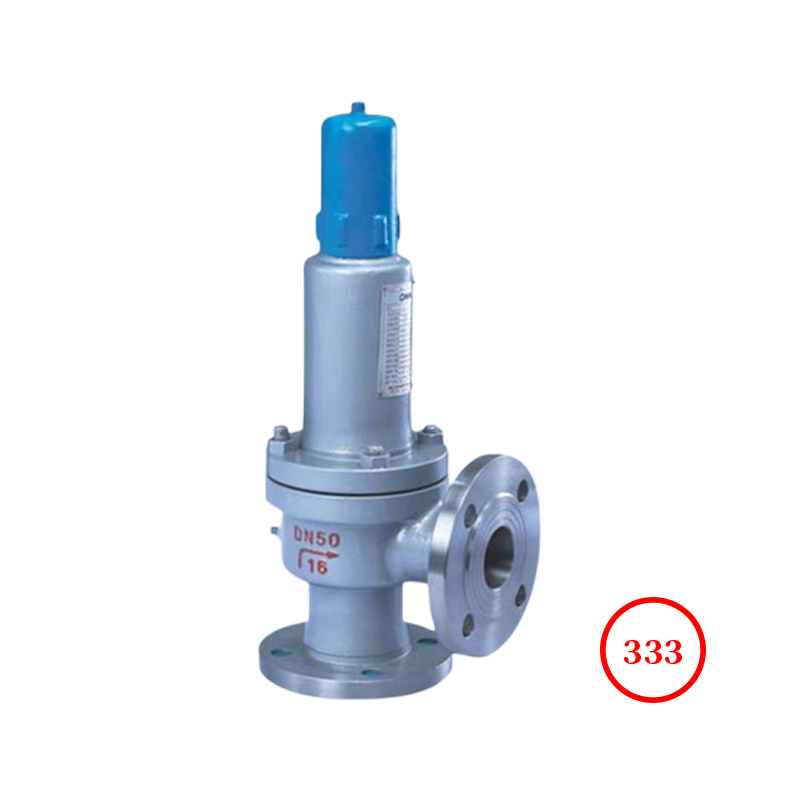
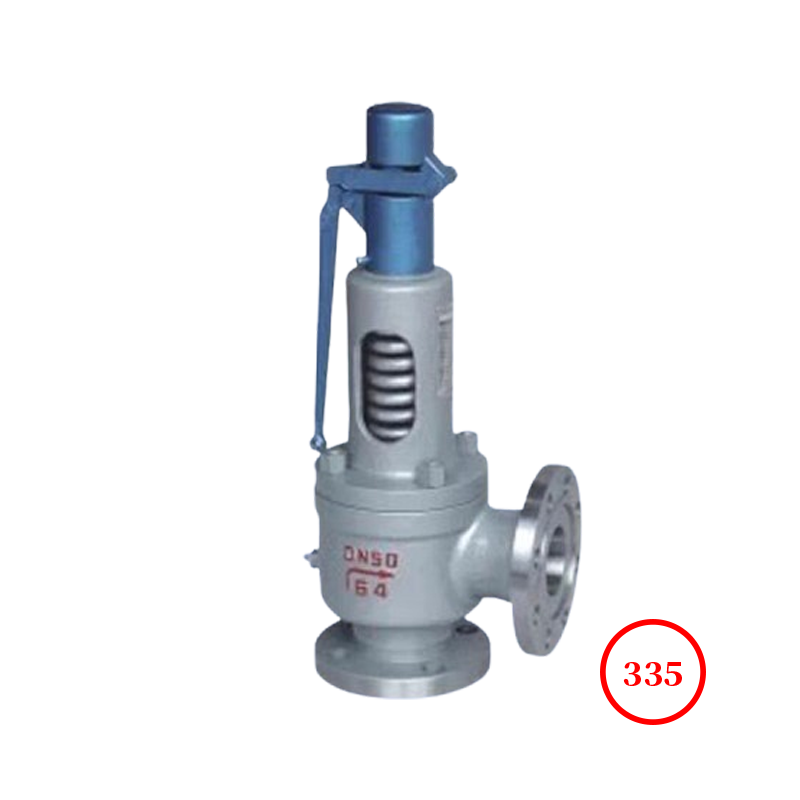
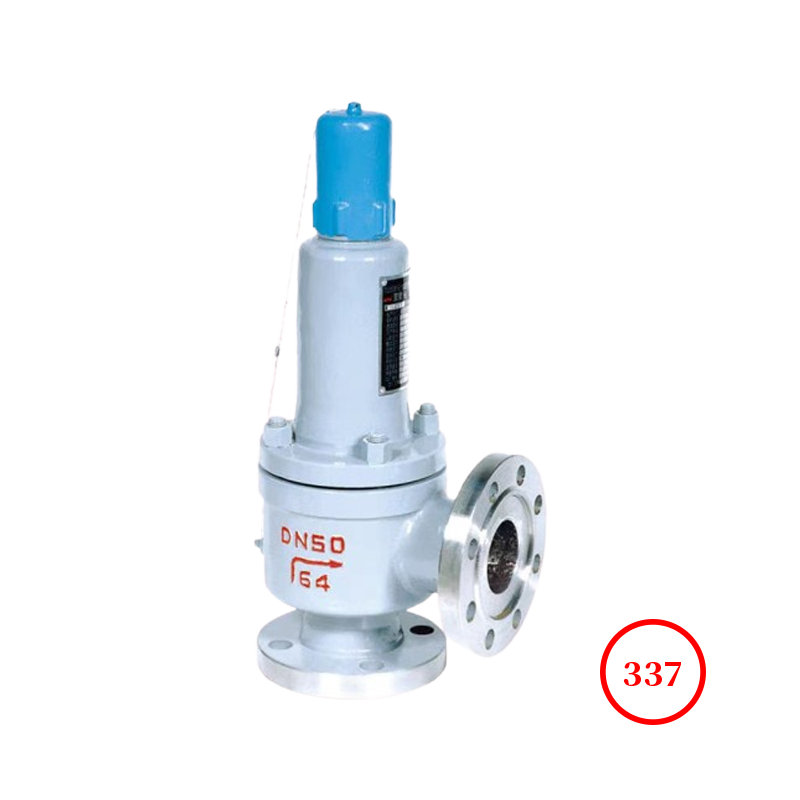
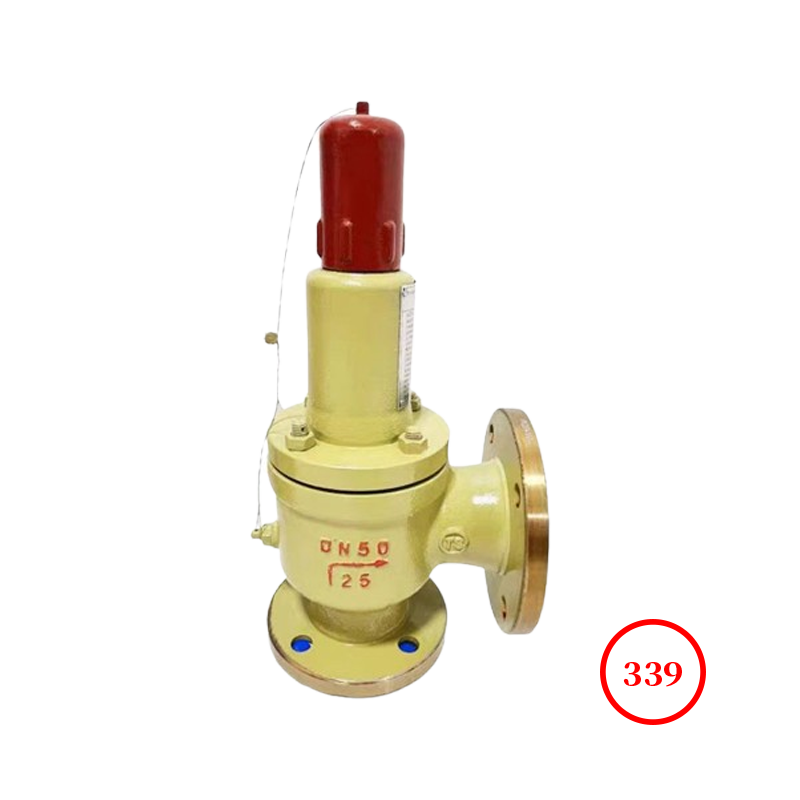
This valve is suitable for use as an overpressure protection device on equipment pipelines with corrosive media and working temperatures ≤ 120 ℃. This valve is suitable for pipeline systems of chemical, toxic media, high-risk corrosive media pressure equipment, pressure vessels, and automatic pressure release devices on pipelines. The valve body is lined with PTFE (PFAF46) and all PTFE (PTFEF46) material is used in key areas to increase corrosion resistance and effectively prevent corrosion from media such as hydrochloric acid and strong corrosives.
This valve is particularly suitable for:
1. As a substitute for expensive rare metal (Hastelloy, titanium, nickel, Monel, tantalum alloy) valves.
2. Used for corrosive media that are toxic and harmful to the environment.
3. Medium used for reacting with metals, such as hydrochloric acid and other high-risk media.
4. Used in biotechnology and pure media where cleanliness and surface anti adhesion are required.
5. Used as a medium with high permeability.
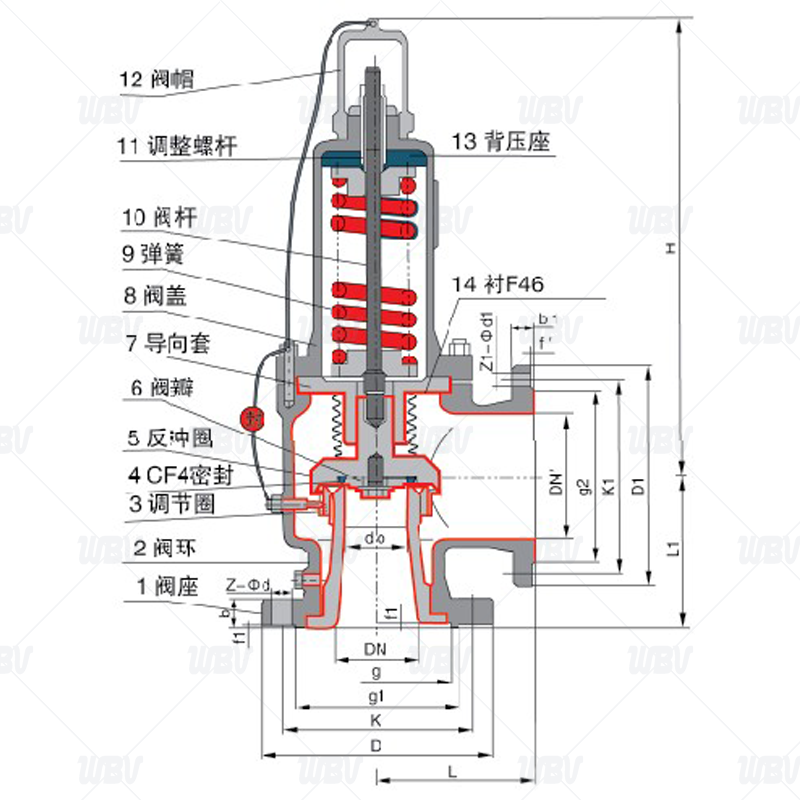
Product drawing

Product dimensions
| model | DN | D | K | g1 | b | f | f1 | Z-Φd | DN' | D1 | K1 | g2 | b1 | Z1-Φd1 | L | L1 |
| A42F46-16C/P/R | 25 | 115 | 85 | 65 | 16 | 2 | 2 | 4-14 | 32 | 140 | 100 | 78 | 18 | 4-18 | 110 | 95 |
| 32 | 140 | 100 | 78 | 18 | 2 | 2 | 4-18 | 40 | 150 | 110 | 85 | 18 | 4-18 | 115 | 110 | |
| 40 | 150 | 110 | 85 | 18 | 3 | 3 | 4-18 | 50 | 165 | 125 | 100 | 18 | 4-18 | 120 | 110 | |
| 50 | 165 | 125 | 100 | 20 | 3 | 3 | 4-18 | 65 | 185 | 145 | 120 | 20 | 4-18 | 135 | 120 | |
| 80 | 200 | 160 | 135 | 20 | 3 | 3 | 8-18 | 100 | 220 | 180 | 155 | 22 | 8-18 | 170 | 140 | |
| 100 | 220 | 180 | 155 | 22 | 3 | 3 | 8-18 | 125 | 250 | 210 | 185 | 22 | 8-18 | 195 | 175 | |
| 150 | 285 | 240 | 210 | 24 | 3 | 3 | 8-23 | 175 | 310 | 270 | 240 | 26 | 8-23 | 255 | 230 | |
| A42F46-25C/P/R | 25 | 115 | 85 | 65 | 16 | 2 | 2 | 4-14 | 32 | 140 | 100 | 78 | 18 | 4-18 | 110 | 95 |
| 32 | 140 | 100 | 78 | 18 | 2 | 2 | 4-18 | 40 | 150 | 110 | 85 | 18 | 4-18 | 115 | 110 | |
| 40 | 150 | 110 | 85 | 18 | 3 | 3 | 4-18 | 50 | 165 | 125 | 100 | 20 | 4-18 | 120 | 110 | |
| 50 | 165 | 125 | 100 | 20 | 3 | 3 | 4-18 | 65 | 185 | 145 | 120 | 20 | 4-18 | 135 | 120 | |
| 80 | 200 | 160 | 135 | 22 | 3 | 3 | 8-18 | 100 | 220 | 180 | 155 | 22 | 8-18 | 170 | 135 | |
| 100 | 230 | 190 | 160 | 24 | 3 | 3 | 8-23 | 125 | 250 | 210 | 185 | 22 | 8-28 | 195 | 175 |
Technical Documentation
1.Design and Manufacturing Standards:GB/T 12243-2021
2.Structural length standard:GB/T12221-2005
3.Flange Standard:GB/T9113.1-2000
4.Test Standard:GB/T13927-2022
Product Parts List
| name | material |
| valve bodymaterial | WCB、316SS、User requirements for lining (F46, PO, PFA) |
| valve discmaterial | WCB、316SS、User requirements for lining (F46, PO, PFA) |
| valve seatmaterial | WCB、316SS、User requirements for lining (F46, PO, PFA) |
| springmaterial | 304SS、F304、A182、50CrVA、316SS |
| Guiding materials | WCB、316SS、User requirements for lining (F46, PO, PFA) |
| Valve cable material | WCB、316SS、User requirements for lining (F46, PO, PFA) |
| Adjust the material | PTFE、F46、PFA |
Installation and commissioning precautions
(1) The safety valve should be directly connected to the container body and installed at a high position on the container. The safety valve on the liquefied gas storage tank should be installed in the gas phase space. The safety valve for liquids should be installed below the normal liquid level, and the nominal diameter of the inlet pipe of the safety valve should not be less than 15mm. If it is difficult to install on the container body due to special reasons, it can be considered to install it on the outlet pipeline. However, the pipeline between the installation of the safety valve and the container should avoid structures such as sudden bends and local cross-sectional shrinkage to prevent increased pipeline resistance, accumulation of dirt, and blockage.
(2) Regardless of where the safety valve is installed, the cross-sectional area of the connecting pipes and fittings between the container and the safety valve must not be less than the inlet area of the safety valve. If multiple safety valves are installed on a connection port, the area of this connection port should be at least equal to the sum of the inlet areas of the valves, which is 1.25 times the sum.
(3) It is generally prohibited to install intermediate shut-off valves between containers and safety valves. However, for containers containing flammable, toxic, or highly viscous media, in order to facilitate the replacement and cleaning of the safety valve, a shut-off valve can be installed between the container and the safety valve. However, the structure and path size of this shut-off valve must not hinder the normal release of the safety valve. When the container is working normally, the shut-off valve must be fully open and sealed with lead.
(4) If there is a possibility of condensation in the discharge pipe after the safety valve, automatic drainage facilities should be considered; The inner diameter of the discharge pipe of a closed safety valve shall not be less than the nominal diameter of the outlet pipe of the safety valve. In principle, each discharge pipe should have one valve, and it is prohibited to install any valves on the discharge pipe. When two or more safety valves share the same discharge pipe, the cross-sectional area of the discharge pipe should not be less than the sum of the cross-sectional areas of all safety valve outlet pipes, and the pressure drop of the discharge pipe should be appropriately considered to prevent significant back pressure from the safety valve. Combustible gases such as oxygen or other gases that can undergo chemical reactions after mixing cannot share the same exhaust pipe.
(5) Before installation, the opening pressure and reseating pressure of the new safety valve should be adjusted on the test bench, and the sealing of the closing component should be checked. The opening pressure can be achieved by adjusting the load applied to the valve disc, such as the weight or position of the heavy hammer of the lever type safety valve, the position of the nut that presses the spring of the spring type safety valve (based on the correct selection of the spring pressure level), and the recoil force can be achieved by adjusting the position of the upper and lower Adjustment Circle of the safety valve.
Usage and Management
Proper selection and installation of safety valves should also be achieved through reasonable use and management in order to play their role. In daily use, in order to ensure the good working condition of the safety valve, maintenance and inspection should be strengthened, the valve body should be kept clean, the valve body and spring should be prevented from rusting, and the valve body should be prevented from being blocked by oil stains and foreign objects. The lead seal of the valve should be checked regularly to prevent the heavy hammer of the lever type safety valve from loosening or being moved, and the adjusting nut of the spring type safety valve from being arbitrarily twisted. If leakage is found, it should be replaced or repaired in a timely manner. It is forbidden to use methods that increase the load (such as excessively tightening the adjusting nut of the spring type safety valve, or adding heavy objects to the lever of the lever type safety valve) to eliminate leakage. In order to prevent valve disc and valve seat from being stuck by dirt such as oil in the gas, safety valves used for air, water vapor, or other gases with more viscous dirt that will not cause environmental pollution during discharge should be regularly operated by turning the wrench to exhaust the air and flush out the dirt.
Safety valves should be inspected regularly, including opening pressure, reseating pressure, sealing degree, etc., and their requirements are the same as the commissioning of safety valves. When the inspection fails, it should be disassembled, and each component should be carefully inspected for cracks, scars, wear, corrosion, deformation, etc., and repaired or replaced before assembly and inspection. The regular inspection cycle of safety valves can be the same as the inspection cycle of the containers used.
Related Information
If you have any questions or suggestions about the product, or if you want to know more, you can contact us at any time.
Web
WeChatProduct Center
Export department